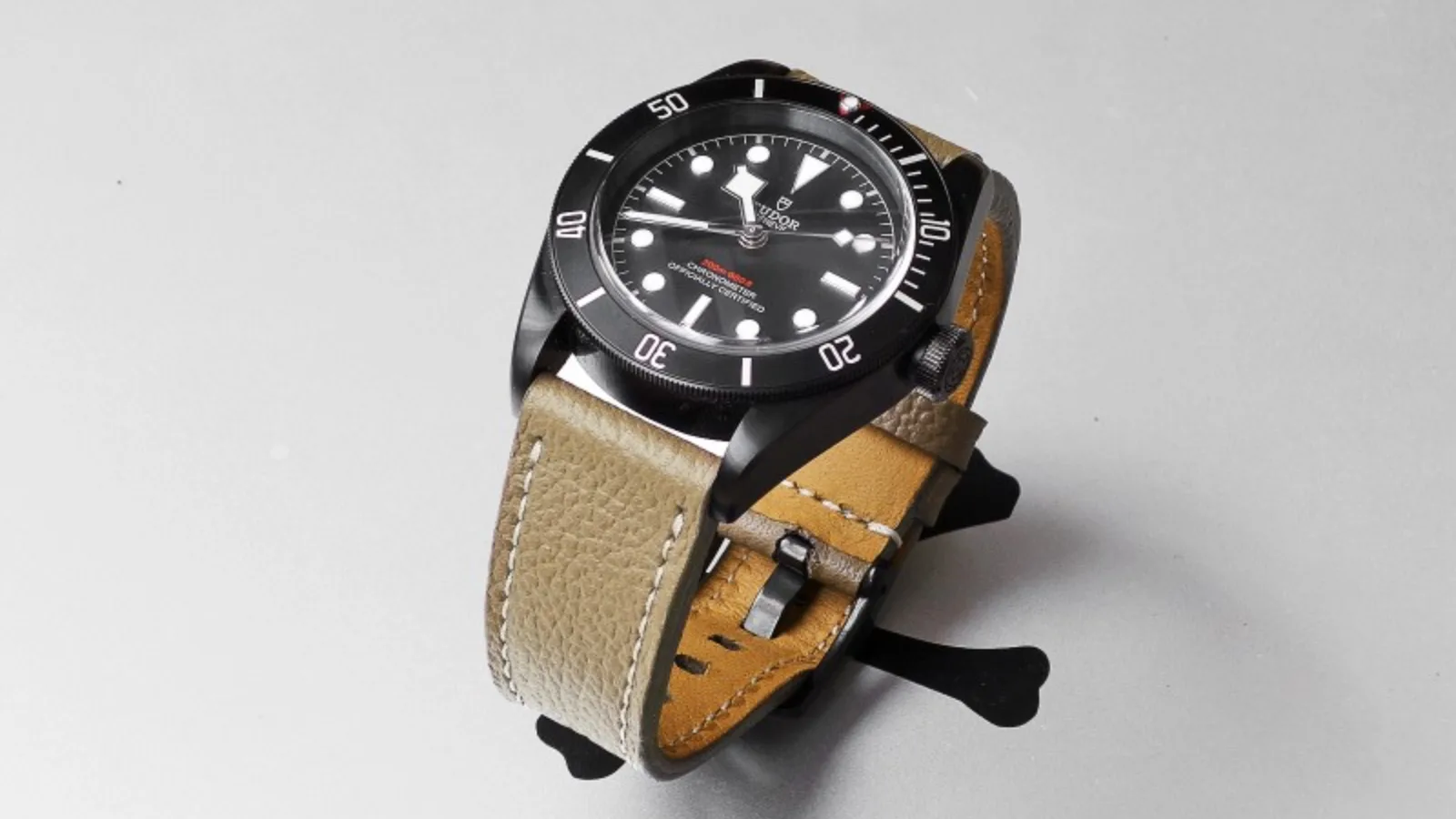


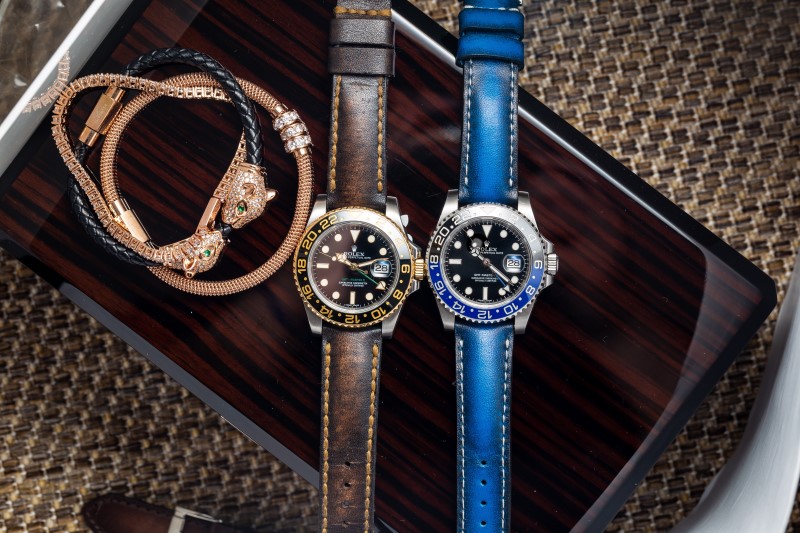
Gunny Straps – In the world of watch collecting, we obsess over details: A ghost bezel, a tropical dial, the crisp bevel on a case lug. We seek character, a story. So, why do so many of us treat our watch straps as disposable accessories? We buy a beautiful vintage timepiece with decades of history, only to pair it with a stiff, lifeless, factory-made strap. Then, you see it. A fellow collector’s watch on a strap that just looks… perfect.
Table of contents
It’s not new, but it’s not damaged. It has a deep, warm glow, darker in some places, softer in others. It looks like it was born on that watch. What you’re seeing isn’t wear and tear; it’s a story being written in leather. That, my friend, is patina. And for those in the know, it’s a mark of true quality.
Beyond ‘Aging’: What Exactly Is Leather Patina?

Let’s clear one thing up: patina is not damaged. It’s the opposite. Think of a well-used leather armchair, a vintage baseball glove, or a classic bronze statue.
Patina is the gentle, graceful surface sheen that high-quality, natural materials develop over time through use.
For a vintage leather strap, this process is incredibly personal. It’s a living finish, a unique fingerprint of your life recorded on the leather. This beautiful transformation is a result of several factors:
- Natural Oils: The oils from your skin are gradually absorbed by the leather, slowly darkening it in areas of high contact.
- Sunlight: Just like our skin, leather tans. UV exposure will subtly change the hue of the strap, often warming up the color.
- Friction & Handling: The simple act of buckling your watch, resting your wrist on a desk, or pulling a cuff over it polishes the leather, creating a soft luster.
- Moisture & Environment: The humidity in the air, a drop of rain—it all contributes to the unique story your strap will tell.
Patina is the visual evidence of a journey. It’s what separates a mass-produced accessory from a personal artifact.
The Challenge of Time vs. The Art of the Craftsman

Here’s a secret from the workshop: as long as the leather is good, genuine, and not fake, it can develop a beautiful patina. The problem with most mass-market straps isn’t just the leather itself, but the synthetic coatings they apply on top. This plastic-like finish blocks any natural aging. It will never develop a warm glow; it will simply crack, peel, and delaminate. It has no soul.
But even with the best leather, there’s a challenge every collector faces: true, deep patina takes years to develop naturally.
This is where the Gunny Straps philosophy comes in. We believe you shouldn’t have to wait to get that perfect vintage look. Our artisans use a multi-stage, manual coloring process to give the leather the soul of a well-aged strap from day one. We create a rich, layered look that seems like it has been aged for years, without the long wait for it to happen naturally.
The best part? This artisanal finish is just the beginning. As you wear it, you will add your own true patina on top—the oils from your skin, the sunlight from your adventures—making the story completely yours.
Comparison Block: OEM Factory Straps vs. Handmade Straps
| Feature | Typical OEM Strap | Gunny Straps Handmade Strap |
|---|---|---|
| Leather Quality | Often corrected-grain or coated to look uniform. | Premium full-grain, vegetable-tanned leather selected for character. Hand-selected hides chosen for softness, character, and their ability to age beautifully. |
| Patina Potential | Very low. The synthetic finish blocks aging and often cracks over time. | Extremely high. Designed to absorb oils and light, telling a unique story. |
| Character | Uniform and sterile out of the box. Lacks individuality. | Unique from day one. Shows natural hide markings and is ready to develop its own soul. |
| Longevity | Designed to be replaced. The surface degrades ungracefully. | Becomes more beautiful with age. A true long-term companion for your watch. |
How to Choose and Cultivate Your Patina Story
Choosing a strap for its patina potential is a personal choice. Do you want a light tan leather that will darken to a rich caramel? Or a deep oxblood that will develop an almost black, burnished edge? The key is starting with a quality “canvas.”
Once you have your strap, the best way to develop patina is beautifully simple: wear your watch. Don’t baby it. Live your life. Take it on your travels. Let it be a witness to your days. The subtle marks, the darkening around the buckle holes, the softening of the texture—that’s your story.
While some try to accelerate leather patina with oils or excessive sun, the most authentic and beautiful results come from patience. The slow, organic process is what makes the final result so rewarding and truly yours.
Styling Block: Perfect Pairings for Patina



- Vintage Rolex Submariner/GMT: A vintage diver with a faded bezel is the ultimate candidate for a vintage leather strap. Think of a distressed, medium-brown strap like our “Caitlin” series. The warm patina will complement the creamy lume on the dial perfectly.
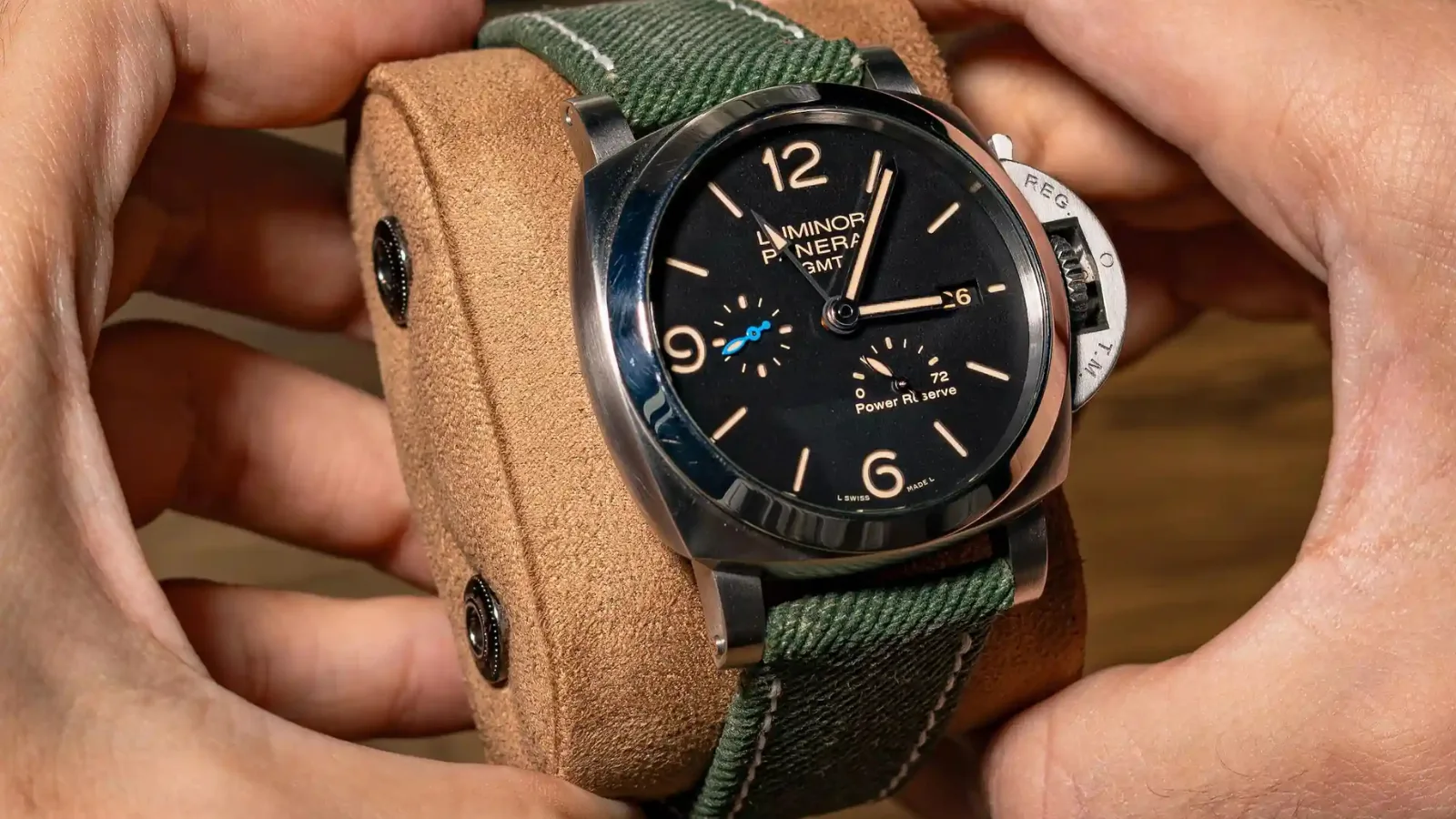
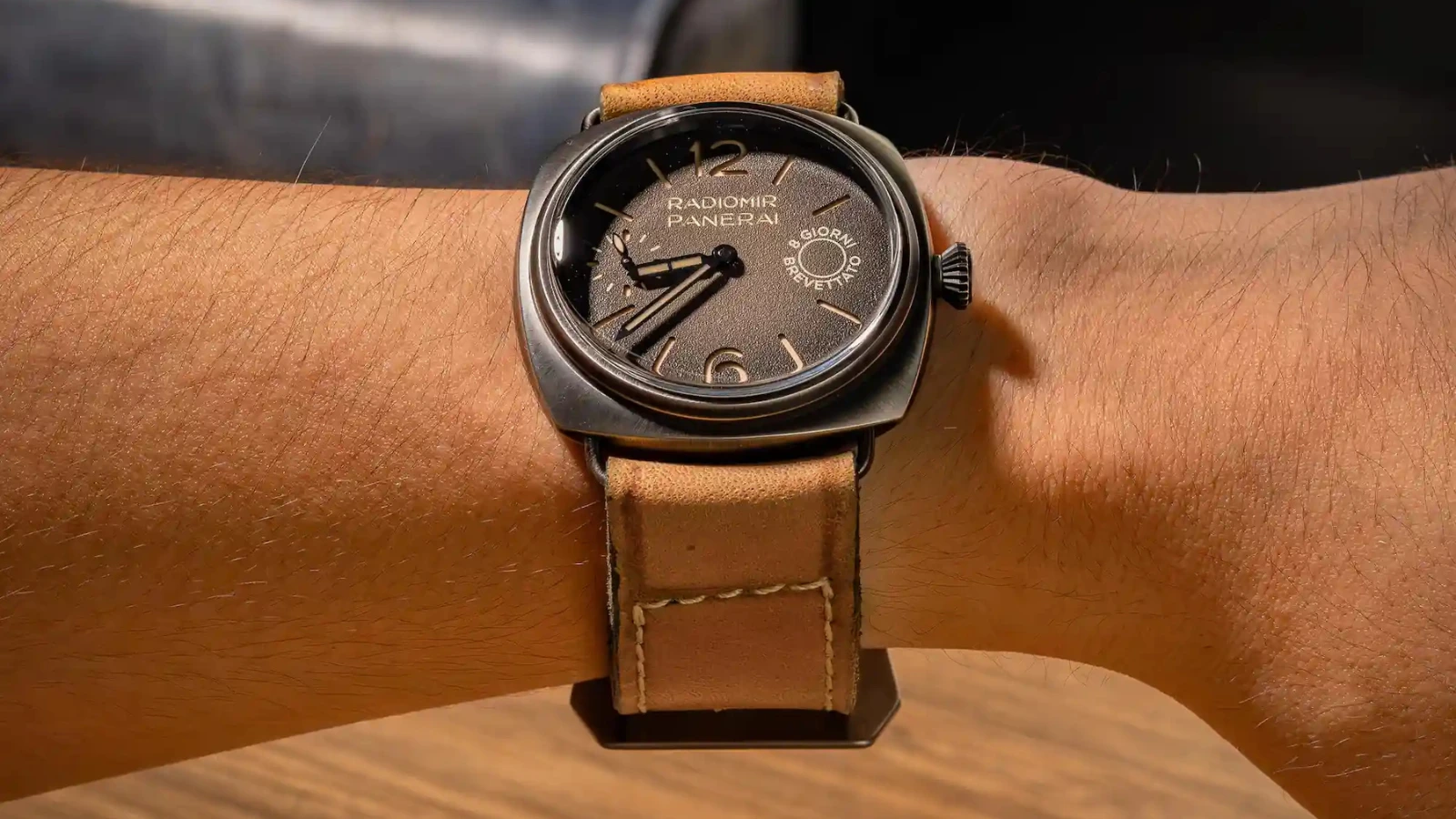
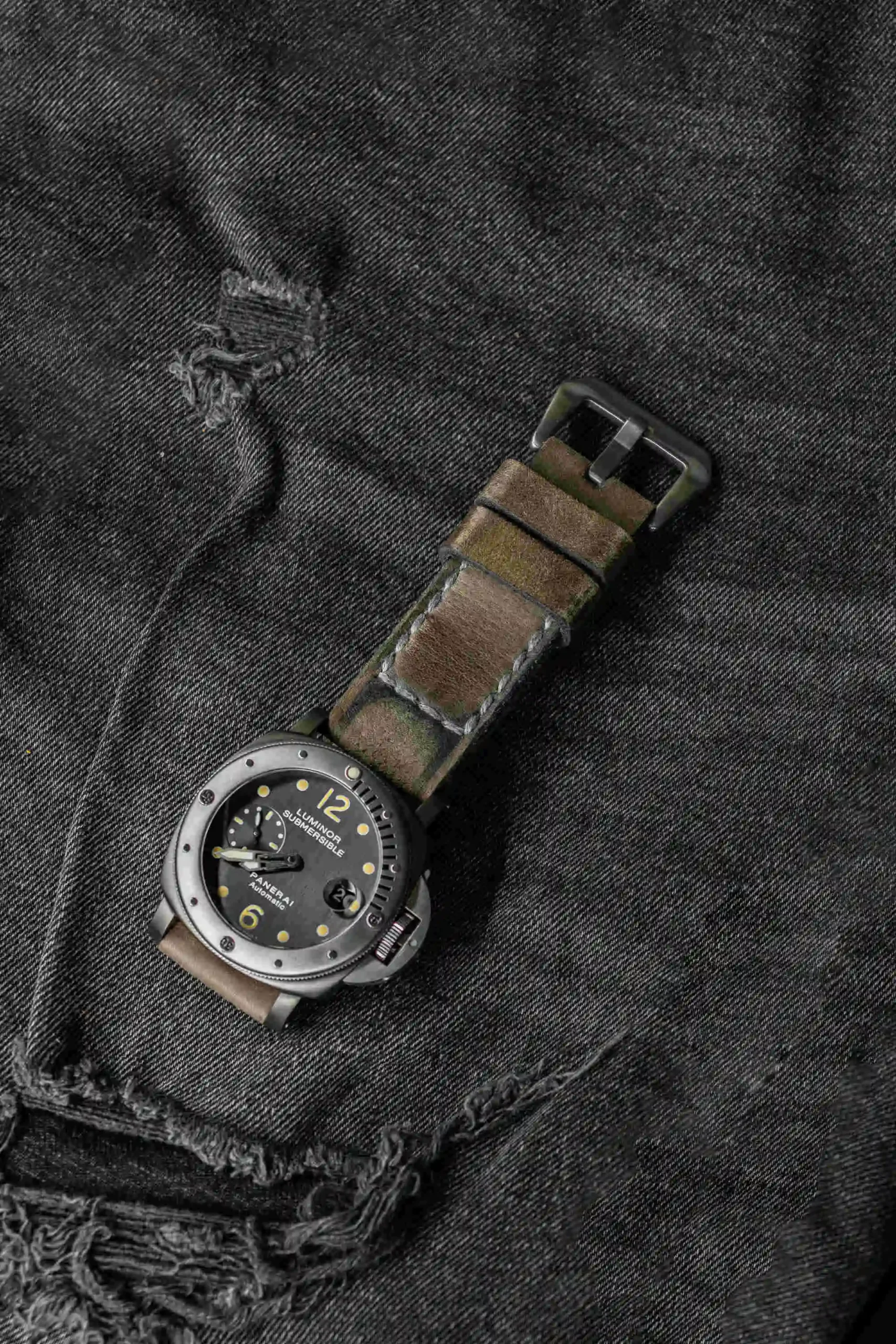
- Panerai Luminor: The big, bold case of a Panerai demands a thick, substantial strap. A tobacco or nutty-brown leather will develop a rugged patina that matches the watch’s military heritage. Over time, it will soften and curve perfectly to your wrist.
- Omega Speedmaster/Seamaster: The Speedy and Seamaster series is a strap monster. An aged leather watch strap in a darker shade—like a distressed grey or deep olive—plays off the black dial and gives it a handsome, lived-in feel that honors its adventurous history.
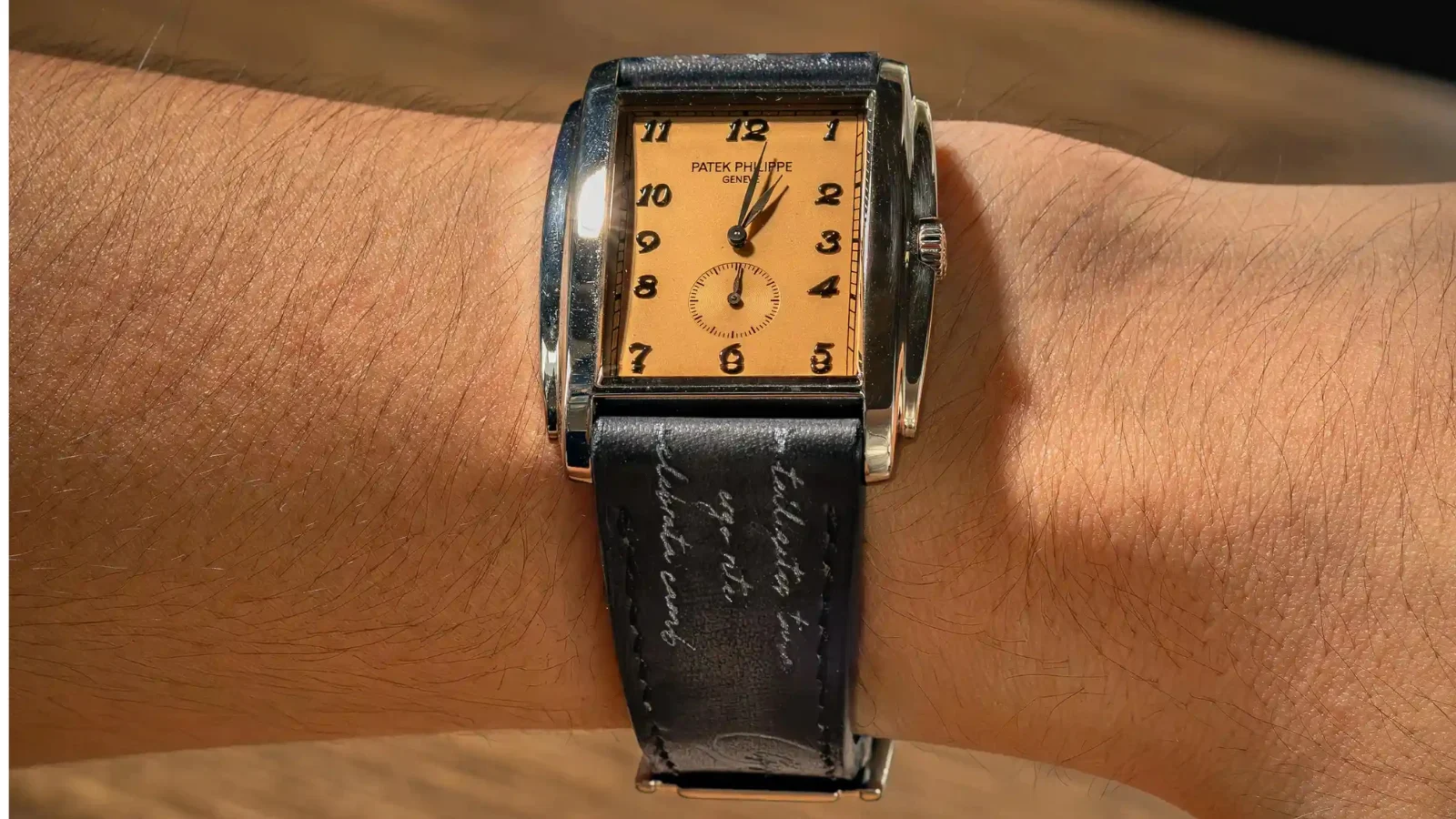
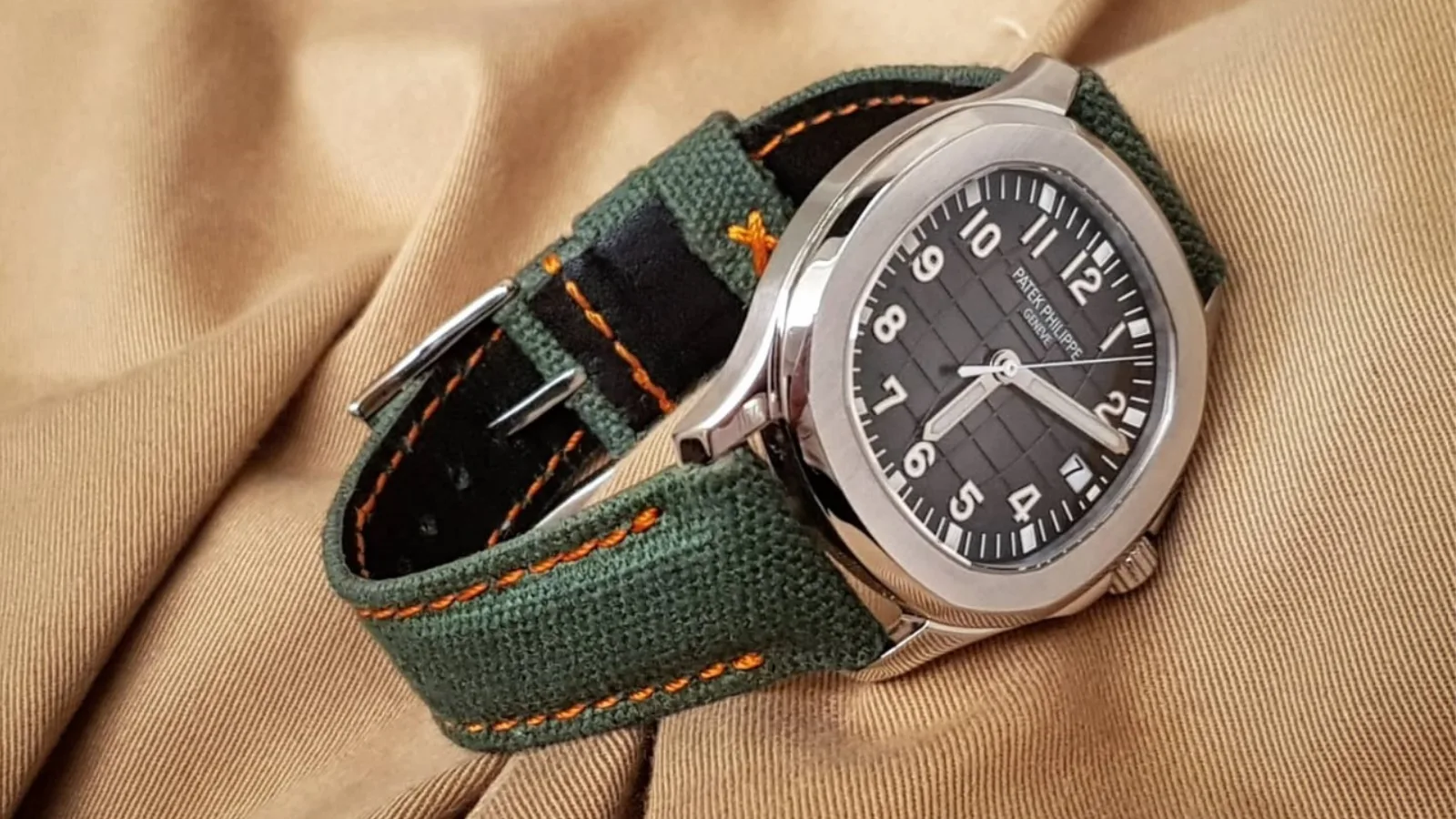
- Vintage Dress Watch (JLC, Patek, VC): Even elegant timepieces benefit from patina. A slim, finely stitched strap in a honey or whiskey-colored leather will deepen in color, adding a layer of warmth and understated luxury that a brand-new strap simply can’t match.
FAQ
Q1: What’s the difference between patina and leather that is sold as “distressed”?
A: Great question. Patina is earned through natural aging and use. “Distressed” leather is manufactured to look old from day one, often through sanding or chemical treatments. A truly patinated strap has an authentic, subtle glow that can’t be replicated artificially.
Q2: Can I clean a strap that has patina without ruining it?
A: Absolutely. Use a soft, dry cloth to wipe away dust. For a deeper clean, a slightly damp cloth is fine. Avoid harsh soaps or chemicals, as they can strip the natural oils and dry out the leather. The goal is to clean it, not to erase its character.
Q3: Does patina make the leather weaker?
A: No. Patina is a surface phenomenon. A high-quality handmade leather strap, when cared for properly (e.g., conditioned once a year), will remain strong and durable for a very long time. The patina is simply the beautiful story it tells on its surface.
Find the Canvas for Your Story
Every scratch on your watch’s case tells a story. Why should its strap be any different? A strap that develops a rich patina isn’t just an accessory; it’s a partner to your timepiece, sharing in its journey and becoming a unique reflection of you. It’s the difference between owning a watch and wearing your watch.
If you’re ready to move beyond sterile, disposable straps and want to see what is leather patina truly means, I invite you to explore our collections. Each one is a blank canvas, handmade from the finest leathers, waiting for you to write your story on it.
👉 Check our Vintage Straps Collection