



Gunny Straps Official – When it comes to premium watch straps, two names often dominate the conversation: alligator and crocodile. To the untrained eye, they may look nearly identical, both exotic, both luxurious, but for watch collectors and leather artisans, the differences become much more apparent.
In this article, we’ll explore the difference between alligator vs crocodile watch strap, crocodile vs alligator watch strap, and alligator vs crocodile leather watch strap, explaining how each leather differs in appearance, everyday wear, durability, and price, and why crocodile remains our material of choice.
Understanding The Basic Differences Between Alligator vs Crocodile
Let’s start with the basics.
Alligator and crocodile leathers both come from reptiles of the Crocodylia order, but they are different species. Alligators are typically native to the U.S. and China, while crocodiles are found in more regions — Southeast Asia, Africa, Australia, and the Americas.
Because they are so closely related, their hides share many characteristics — they are tough, water-resistant, and display beautiful scale patterns — but there are also key differences in appearance and structure that affect their desirability and use in luxury goods.
Visual Differences: The Scales Tell the Story
The most noticeable difference is in the pattern of the scales.
Alligator leather tends to have a more uniform, symmetrical scale pattern. The square belly scales are often smoother and more consistent, which gives a very clean and classic appearance. For this reason, alligator leather is often associated with dressier, conservative styles.
Crocodile leather, on the other hand, tends to have more irregularity in its pattern — the scales vary slightly in size and alignment, and may display small visible dots called “pores,” which are hair follicle holes from the animal’s sensory organs.
This variation, however, is not a flaw — it’s part of what makes crocodile leather so visually interesting and distinctive. It gives a strap more texture, depth, and a natural, organic luxury that can’t be replicated.
Which One Offers Better Durability?
While both leathers are highly durable, crocodile leather has proven especially well suited for everyday watch straps. It develops a softer, more comfortable feel as it settles around the wrist while maintaining the structured appearance collectors expect from an exotic leather. For a strap that is worn daily, that balance between comfort and lasting character is one of crocodile leather’s greatest strengths.
It’s also worth noting that high-quality crocodile leather — such as the kind we use — is extremely supple once processed properly. So you’re getting the best of both worlds: toughness and comfort.
Price Comparison: Which One Costs More?
It might come as a surprise, but despite crocodile leather being more rugged and durable, alligator leather is typically more expensive. The main reason comes down to sourcing. American alligator leather is highly regulated, farmed in limited supply, and primarily sourced from the southern United States.
Beyond rarity, the smoother and more uniform scale pattern of alligator leather makes it especially desirable in the luxury fashion world, often commanding a premium for its refined appearance.
However, at Gunny Straps, we believe value goes far beyond price. It’s about character, durability, and the story each strap tells. Crocodile leather not only offers excellent resilience and longevity, but its more natural, varied texture gives each piece a distinctly artisanal feel. It’s no wonder croco remains one of the most sought-after materials in high-end leathercraft.
Why We Choose Crocodile Leather for Watch Straps
At Gunny Straps, we work exclusively with crocodile leather, with good reason.
- More Visual Texture: Our customers love the slightly wilder, more natural grain of crocodile skin. It gives each strap more personality and flair.
- Stronger for Everyday Use: Crocodile leather handles bend and moisture better than most exotics, making it ideal for straps that see daily wear.
- Luxurious Yet Distinctive: Crocodile leather has all the elegance of exotic leather without looking mass-produced. Each piece feels artisanal.
And just like all of our straps, every croco strap we make is fully customizable; from stitch color to lining, tapering, and even engraving. Whether you want a bold statement piece or a subtle complement to a dress watch, we can craft it for you.
The Many Faces of Our Crocodile Watch Straps
Below are real examples of crocodile straps we’ve handcrafted for different timepieces, from sporty to dressy. These are just a few among the many possibilities.
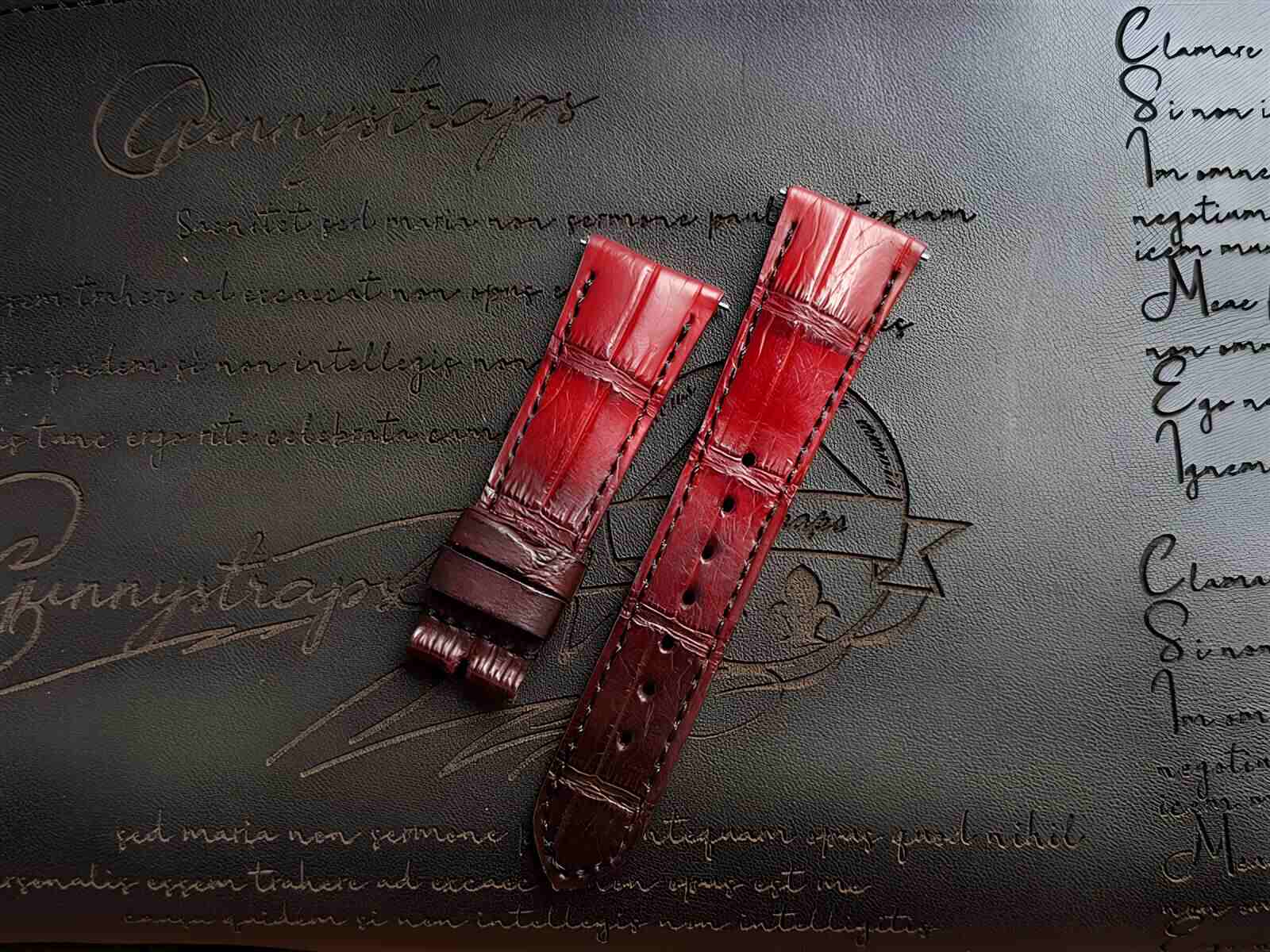

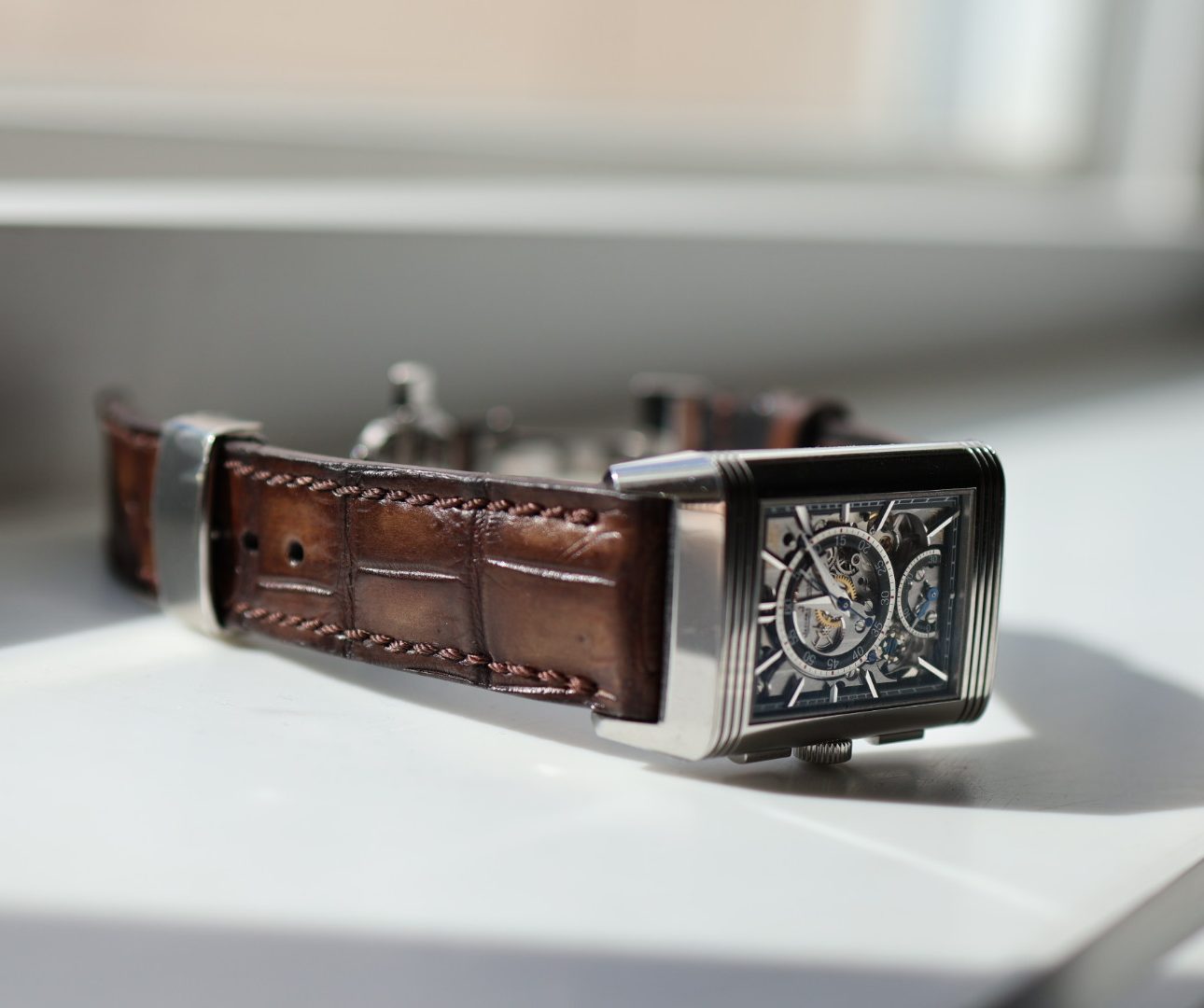
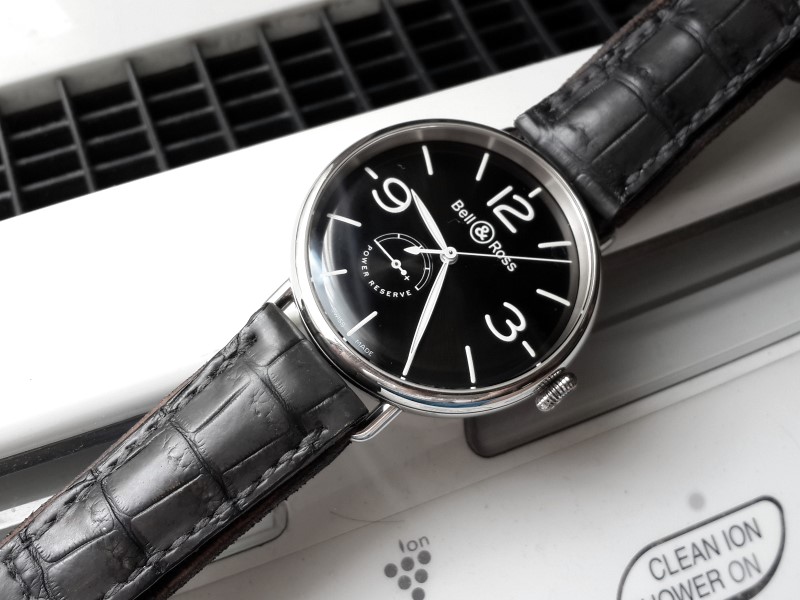
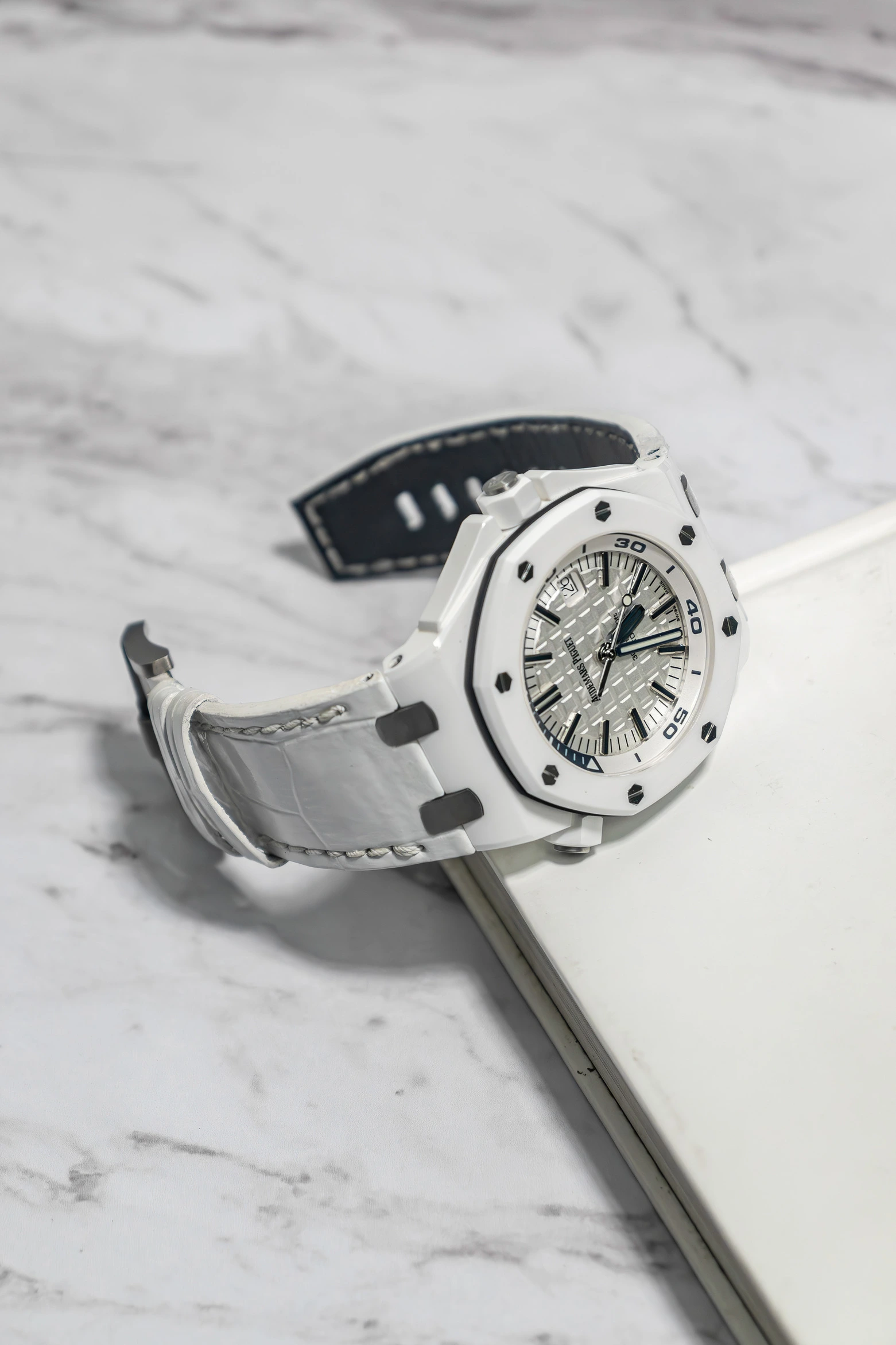
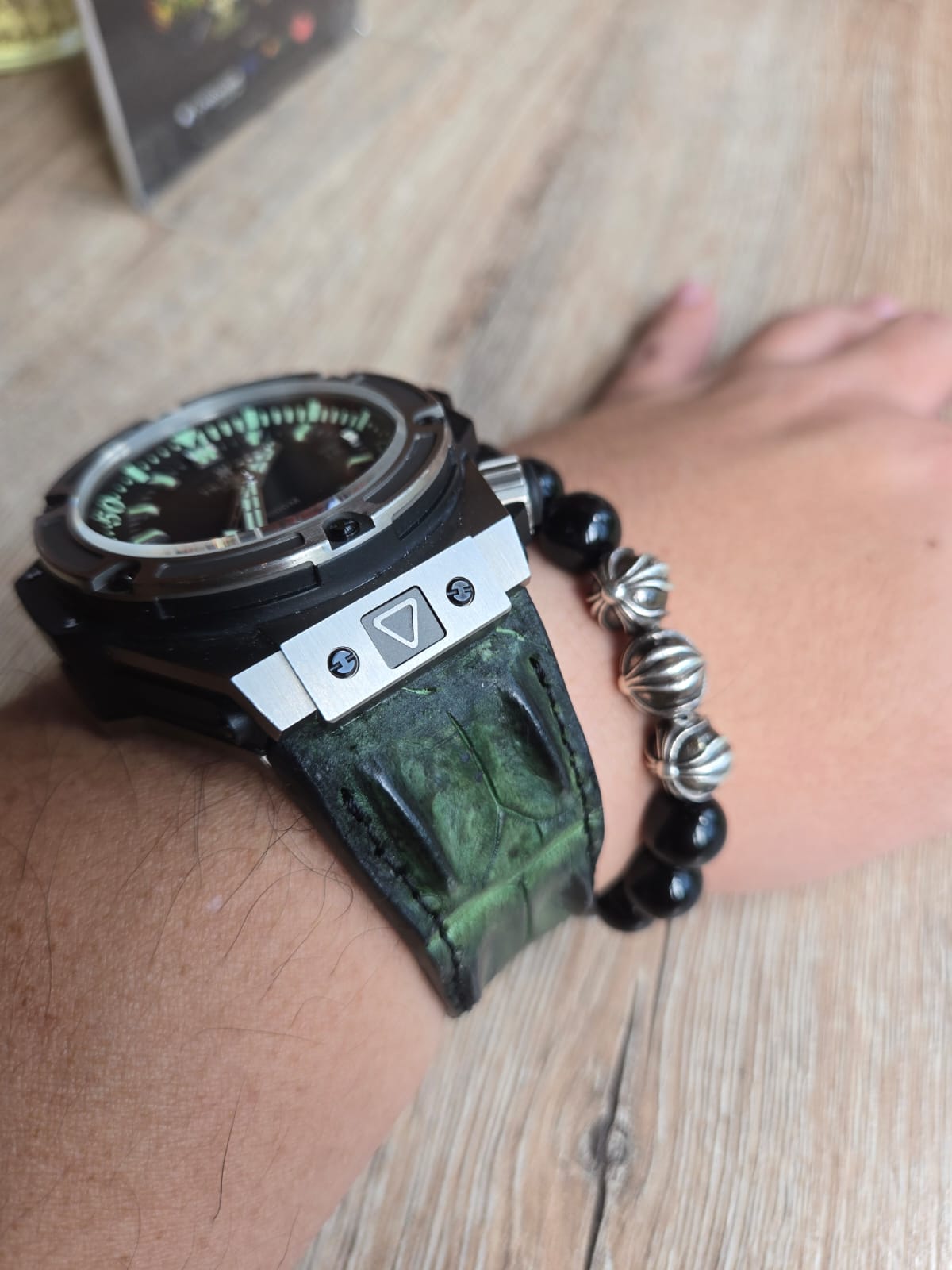


From vibrant colored custom crocodile strap on Cartier, to rugged hornback croco on Hublot, to classic grey croco on Bell & Ross, crocodile leather works across styles and tastes. Each strap not only enhances the look of the watch but also brings out something unique in it.
Whether you prefer ready-made or a fully bespoke design, our croco straps are made to match your watch, your wrist, and your lifestyle.
View Our Crocodile Straps Collection



1 thought on “Crocodile vs Alligator Watch Strap: What’s the Difference and Why We Believe Crocodile Is Perfect for Watch Straps?”
Pingback: Alligator vs Crocodile Watch Strap | Scale Deep-Dive