
Gunny Strap Official – In the secondary luxury watch market, one question matters more than any other: which brand keeps its price when the market corrects. Hype comes and goes. Prices spike, then normalize. Liquidity tightens, listings increase, and many watches quietly drift back toward retail reality. Patek Philippe behaves differently. When the market cools, its watches settle higher, trade slower, and remain expensive to replace. That consistency is why serious collectors continue to choose Patek Philippe over other luxury watch brands.
This preference is not emotional. It is behavioral. It is driven by resale performance, disciplined supply, buyer psychology, and public price validation. Across multiple market cycles, Patek Philippe has proven to be less fragile, less speculative, and less punishing to own when conditions turn unfavorable. That is why it remains a favorite, not because it excites, but because it protects.
A Heritage of Innovation and Independence

To understand Patek Philippe’s dominance in the secondary market, the explanation starts with structure, not sentiment. Founded in 1839, Patek Philippe has remained independent through nearly two centuries of industry disruption. Since 1932, the brand has been owned and governed by the Stern family, allowing decisions around production, design, and technical investment to be made with generational consequences in mind rather than short-term financial pressure.
This independence shaped a culture of technical leadership that defined modern watchmaking. Patek introduced the keyless winding system in 1845, created the first Swiss wristwatch in 1868, and patented the perpetual calendar mechanism in 1889. These milestones established Patek Philippe not just as a historic manufacturer, but as a reference point for mechanical standards that still influence the industry today.
Why This Legacy Still Matters to Collectors
Prestige at this level is sustained through continuity. While much of the industry moved toward automation to scale output, Patek Philippe maintained hand-finishing standards codified under the Patek Philippe Seal, intentionally limiting production capacity. This restraint reinforces long-term credibility and explains why collectors continue to treat Patek Philippe as a generational asset rather than a trend-driven luxury purchase.
This historical foundation is not separate from market performance. It is the reason resale behavior, scarcity discipline, and auction confidence discussed below remain structurally intact across market cycles.
1. Proven Resale Value in the Secondary Market
The strongest reason collectors favor Patek Philippe is resale behavior. Market data from 2024 and 2025 confirms that Patek maintains a structurally higher price floor than its closest competitors. While Rolex dominates volume and liquidity, Patek leads in value retention per unit.
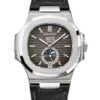
Over the past five to ten years, core references such as the Nautilus 5711/1A and Aquanaut 5167A followed the same speculative surge in 2022 as other steel sports watches. The divergence appeared after the correction. By 2025, the Nautilus 5711 stabilized around USD 108,000, retaining roughly 54 percent of its peak price, while the Aquanaut 5167A retained approximately 60 percent. Comparable Audemars Piguet models corrected more aggressively, and many Rolex references settled closer to retail-driven floors.
Secondary Market Share & Liquidity (2024-2025)
| Brand | Market Share (Estimated Value) | Median Time to Sell |
|---|---|---|
| Rolex | ~33.0% | 40 to 45 Days |
| Patek Philippe | ~5.6% to 6.5% | 62 to 68 Days |
| Audemars Piguet | ~4.0% to 5.1% | 83 to 90 Days |
| Omega | ~11.0% | 55 to 60 Days |
| Cartier | ~5.0% | 50 to 55 Days |
Slower liquidity here is not a weakness. It reflects stronger price discipline and fewer forced sellers. What matters to collectors is not peak performance, but where prices land once speculation disappears. Patek consistently lands higher.
This pattern repeated in Q3 2025, when the secondary market posted its first positive growth after more than a year of decline. Patek Philippe led the rebound with a reported 3.9 percent increase, outperforming Rolex at 1.3 percent, while Audemars Piguet remained flat. At the same time, secondary market supply for Patek contracted by approximately 8 percent, reinforcing price stability even as broader luxury demand softened.
For collectors who think about exit before entry, this behavior matters. Patek is not immune to correction, but it recovers faster and settles stronger.
2. Production Discipline That Limits Replacement Risk
Resale strength does not exist in isolation. It is supported by production policy. Patek Philippe produces approximately seventy thousand watches per year. Rolex produces an estimated 1.2 million. That gap is structural, not cyclical. When demand rises, Patek does not expand output to capture short-term revenue. When demand cools, supply does not overwhelm the secondary market.
This discipline ensures that discontinued references remain difficult to replace and that owners are not diluted by excess availability. For collectors, scarcity is about exclusivity. It is about replacement risk. A watch that cannot be easily replaced commands stronger long-term pricing. Patek’s controlled production permanently limits downside pressure and reinforces buyer confidence across market cycles.
3. Design Consistency That Keeps Demand Intact
Scarcity alone is not enough. Demand must hold. Patek Philippe avoids aggressive redesigns that make older models feel obsolete. Core references evolve slowly, preserving visual continuity across decades.
This becomes critical when markets turn. Watches that feel dated are sold first, while watches that remain visually relevant are held. Patek’s conservative design language reduces forced selling and helps demand stay intact even during downturns. Collectors are not pushed to exit simply because a new reference appears. That restraint keeps supply tight and reinforces long-term price stability.
4. Auction Markets Confirm the Benchmark
Public auctions provide external validation under real capital conditions. Across Christie’s, Phillips, and Sotheby’s, Patek Philippe consistently occupies the highest price brackets. While Rolex dominates transaction volume and Audemars Piguet experiences cyclical surges tied to specific models, Patek controls the ceiling.
In recent years, Patek accounted for nine of the ten most expensive watches sold globally in a single year and holds the all-time record for a wristwatch, with the Grandmaster Chime achieving approximately USD 31 million at Christie’s. These buyers are not impulse participants. They are institutions, family offices, and long-term collectors deploying capital deliberately. Their repeated preference for Patek Philippe confirms its role as the benchmark at the top end of the market.
Market Performance Comparison (Q3 2025)
| Brand | Price Growth (YTD) | Unsold Rate (Auction) | Supply Trend |
|---|---|---|---|
| Patek Philippe | +3.9% | 21.5% | -8.0% |
| Rolex | +1.3% | 29.4% | +2.0% |
| Audemars Piguet | 0.0% | 26.4% | -1.0% |
Patek Philippe owners behave differently. Holding periods are longer, panic selling is lower, and auction unsold rates sit among the lowest in the high-end segment at around 21.5 percent, compared to nearly 30 percent for Rolex.
This behavior creates a calmer market. Prices fluctuate less violently, and supply tightens naturally during downturns. When recovery begins, fewer distressed sellers remain. For collectors, this translates into lower volatility risk. Owning Patek feels less like timing a trade and more like holding a durable asset.
5. The Ownership Mistake That Quietly Erodes Value
While the watch head carries value, straps absorb wear. Factory leather straps, even at the highest level, are consumable components. Industry consensus confirms that with daily use, most factory leather straps last between one and three years. Leather is porous. Sweat introduces salts that dry out fibers, accelerate cracking, and cause discoloration. Buckle holes stretch first, creasing becomes permanent, and even exotic leathers such as alligator or crocodile deteriorate quickly under continuous wear if not rotated.
From a resale perspective, collectors expect straps to wear out, but condition still affects negotiation. A visibly worn original strap weakens presentation, while a preserved original strap strengthens provenance. Experienced collectors separate daily wear from asset preservation.
Where Gunny Straps Fits In

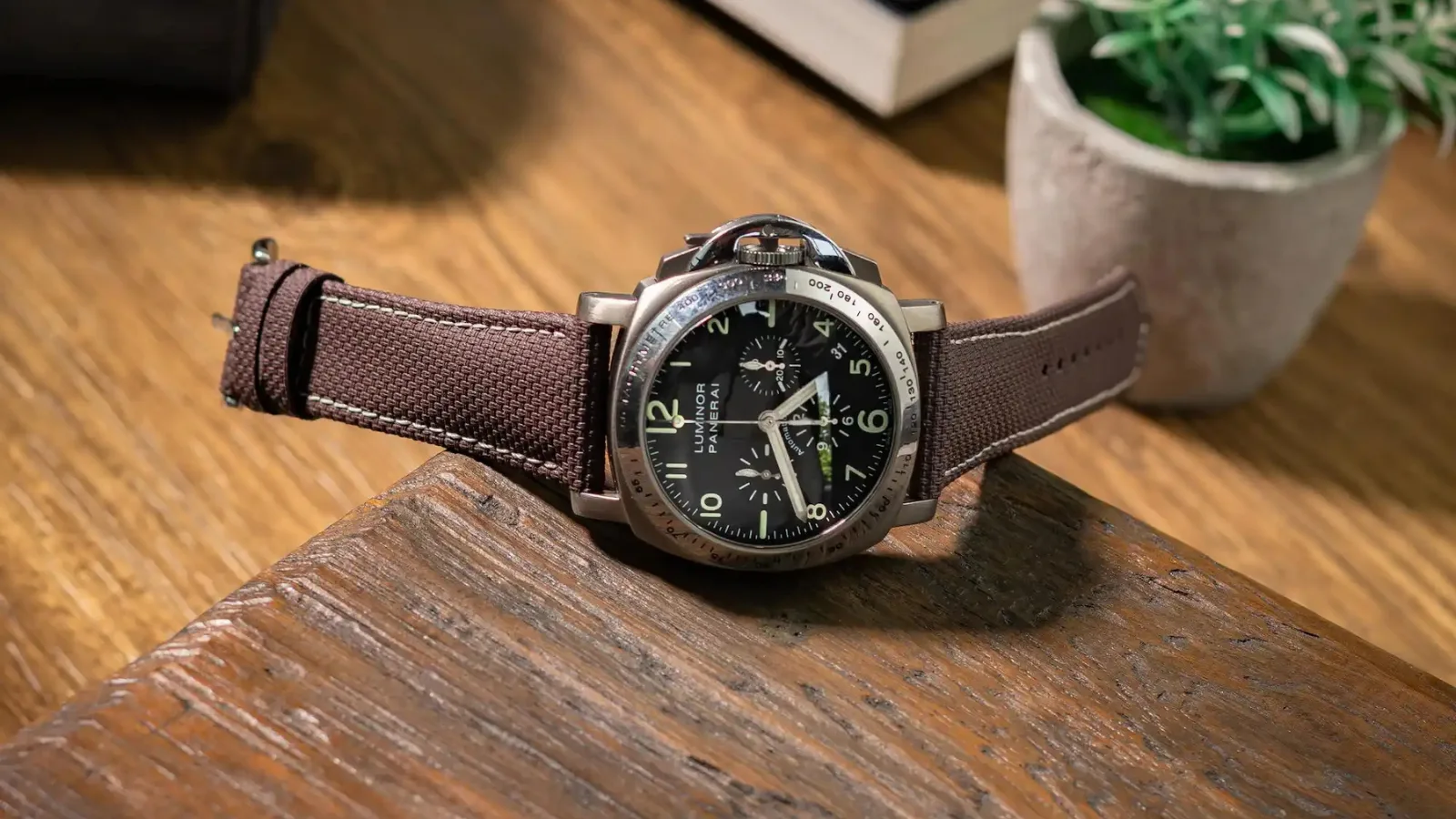
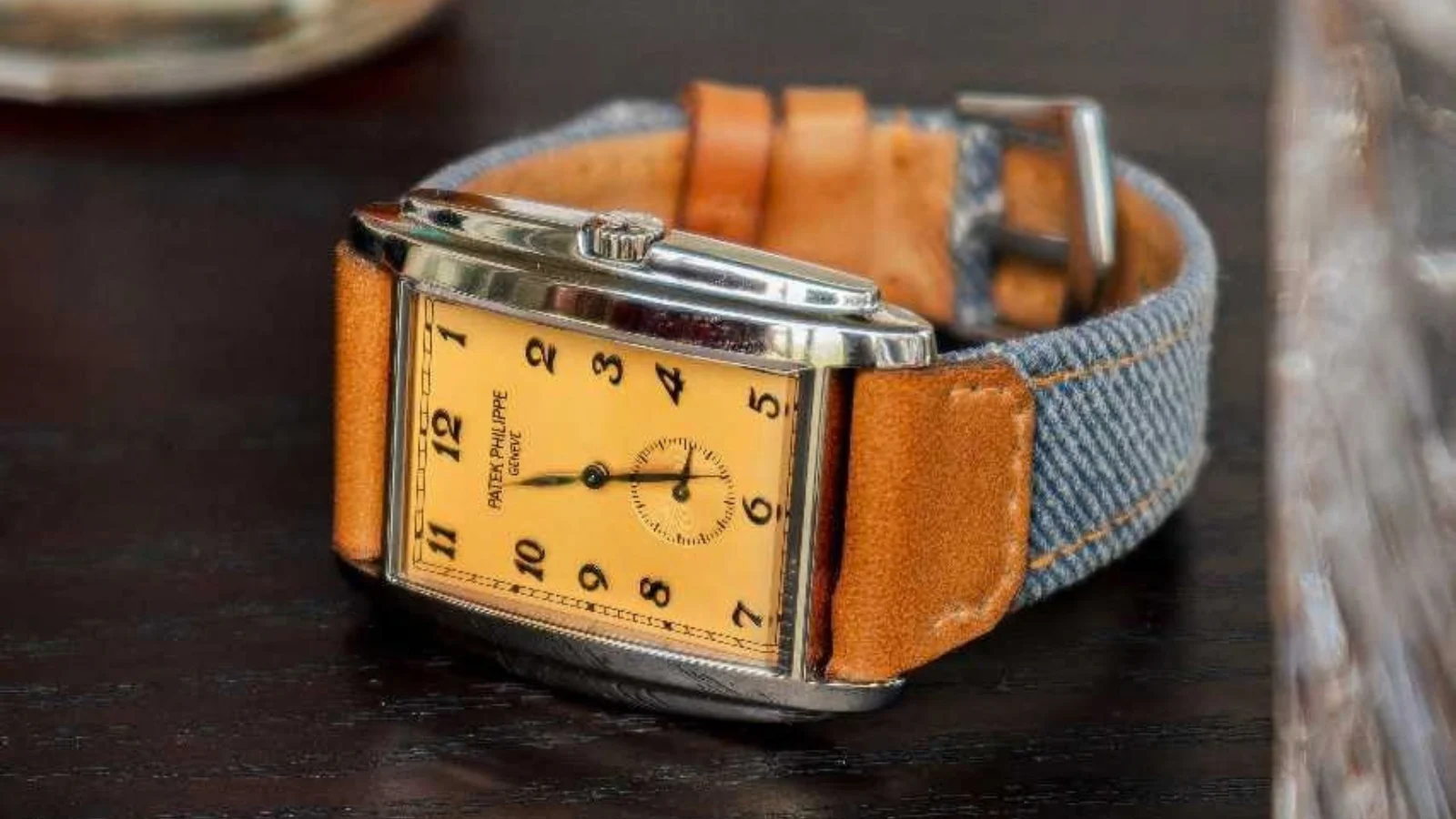
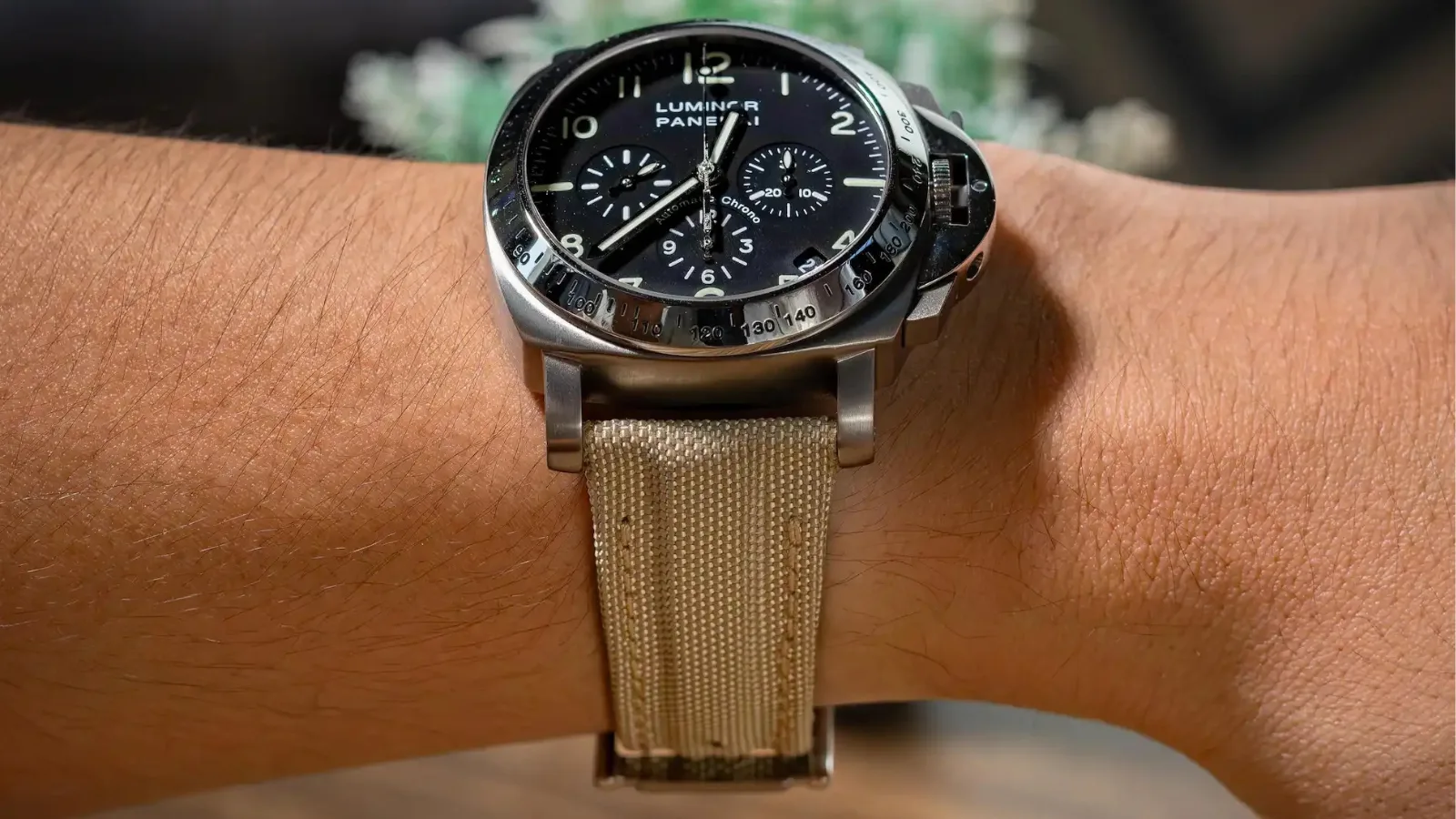
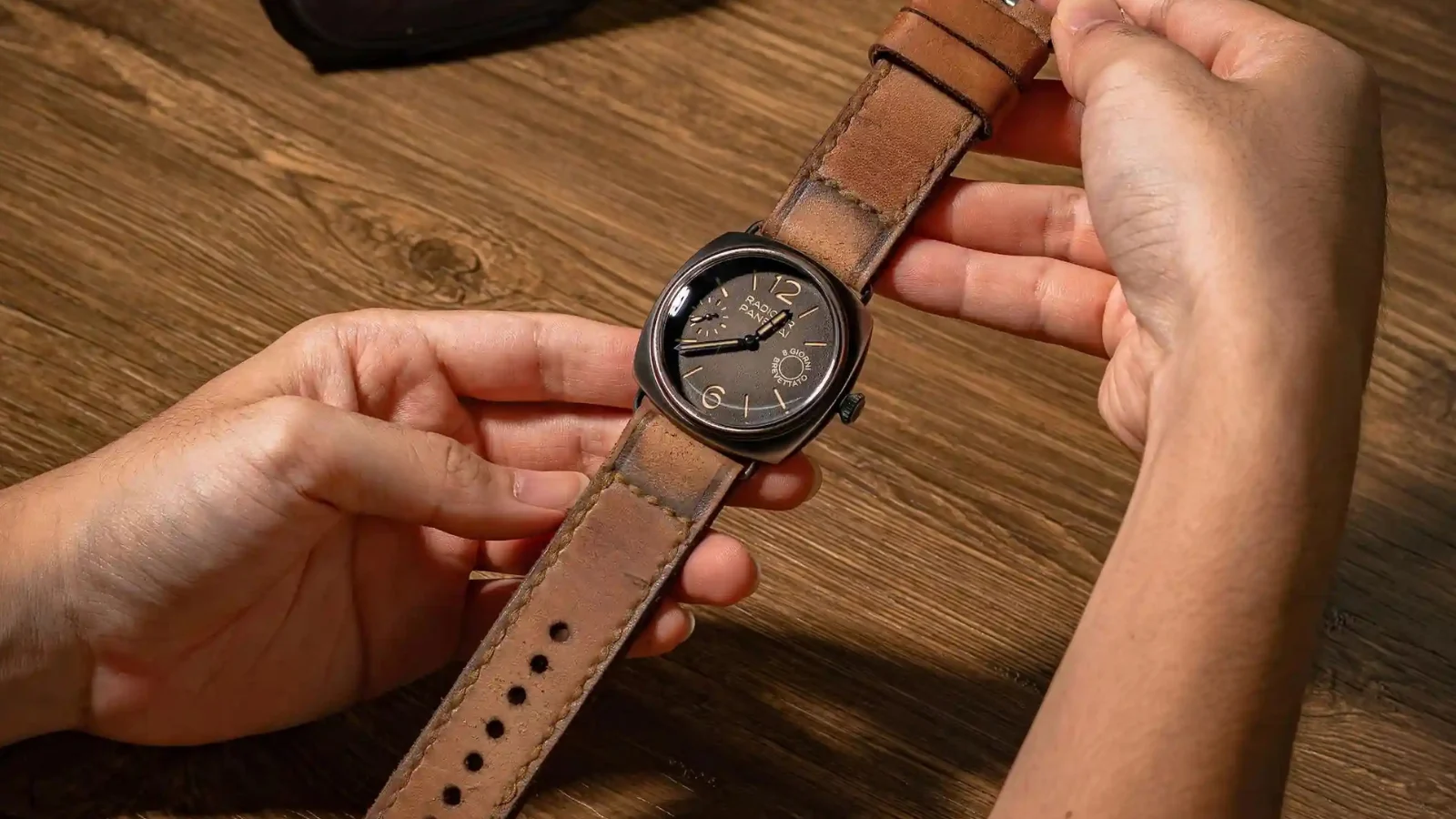
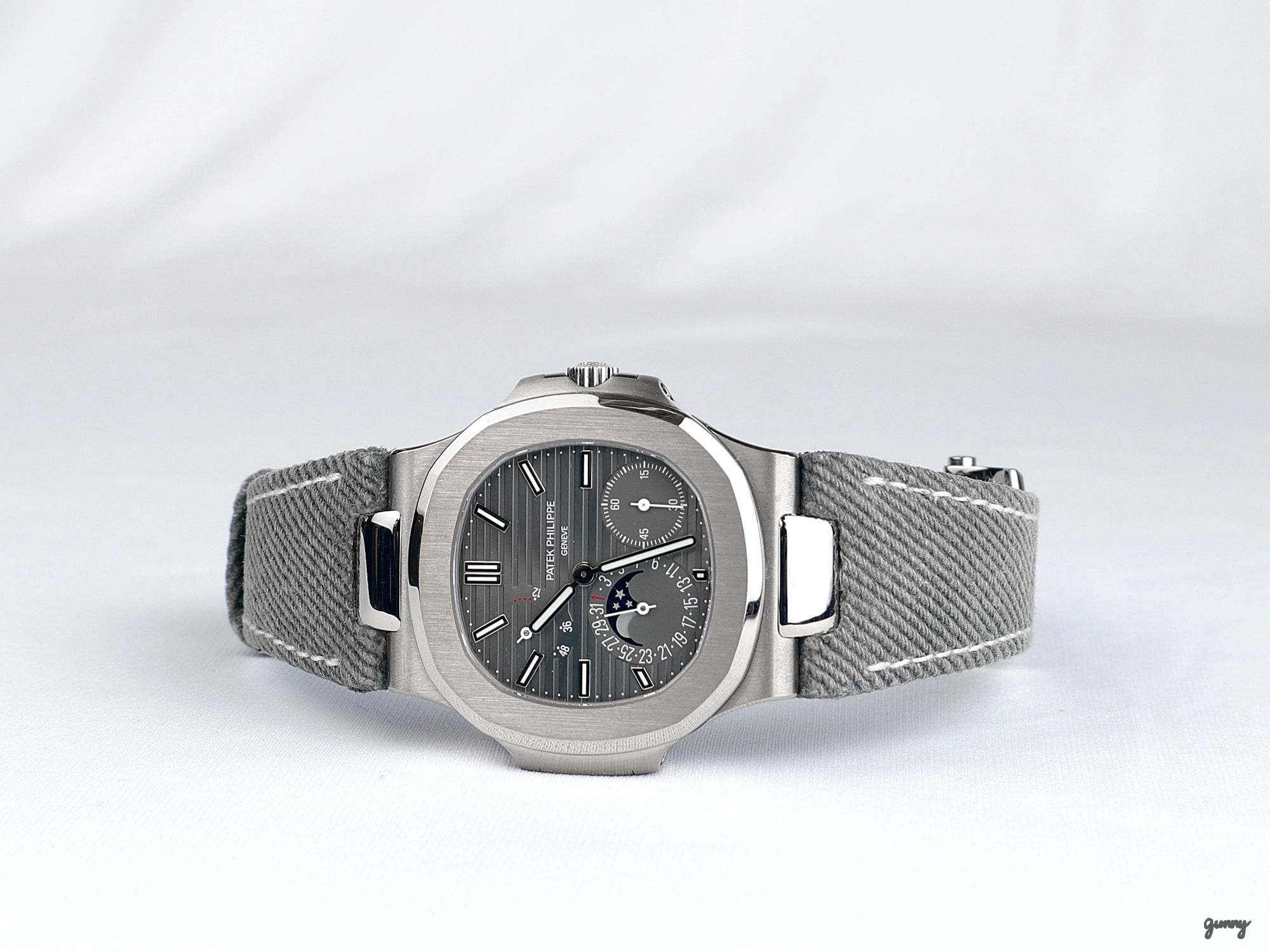
This is where Gunny Straps fits naturally into Patek Philippe ownership. Gunny Straps provides dedicated strap options that allow Patek owners to wear their watches daily without compromising the condition of the original factory strap. The original strap stays stored and protected, while daily wear shifts to a replacement designed to handle sweat, friction, and long-term use properly.
Gunny Straps offers a structured range based on material and use case. Leather straps for classic balance, crocodile straps for formal references, and canvas, hook-and-loop, or single-pass options for lighter daily wear and travel. Each category exists to support ownership and protect long-term value, not to distract from the watch. Preserving the original OEM strap in mint condition remains a proven tactic to maximize resale leverage when rotating a collection.
To explore strap options that we have previously made for Patek Philippe owners, visit: Strap for Patek Philippe Collection
For owners who want a strap that we have never made before, custom strap requests can be made here: Patek Philippe Custom Watch Strap Order
Final Thought
Patek Philippe remains the favorite over other luxury watch brands because results repeat. Prices settle higher, supply stays disciplined, demand holds, and auctions consistently confirm confidence. Owners behave rationally, not reactively.
The brand protects value through long-term policy. Owners protect value through how they wear and preserve their watches. When both align, ownership becomes simpler, calmer, and far more predictable.
References & Data Sources
Morgan Stanley & LuxeConsult Swiss Watch Industry Report (2024-2025).
WatchCharts Market Price Monitor Q3 2025 Update.
The Mercury Project: Hammertrack Reports for Christie’s, Phillips, and Sotheby’s (2023-2024).
Bloomberg Subdial Watch Index and EveryWatch Analytics (July 2025).
Patek Philippe Official Care Guide and Hodinkee Journal Expert Commentary.